


Year in Review: Top 10 in 2025
The end of 2025 approaches and it is time for a wonderful annual tradition. In celebration of the excellent work done to produce content for our website, we are excited to produce another Top 10 list. After counting down our Top 10 videos in 2024, this year we move back onto our own website in line with 2023 and count down our Top 10 content pages of the year!
This list counts down the Top 10 most-visited individual pages that have original content created for the Centre for Energy Ethics. This does not include event pages, news items, or opportunities. You can click on the titles or associated images for a link to the full posts.
Special Mention: The Tabula Project
Technically not qualified for the rankings, we thought the page for The Tabula Project deserved a mention in these rankings somewhere. The Tabula Project was an ambitious in-person and online art exhibition with several hybrid activities associated with it. Although not a content page itself, this event hub is still host to the online art gallery which is still open now. So go and check it out!

Number 10: Lowering Electricity Prices to Achieve Net-Zero?
This won’t be the last time we see a piece written by Dr Sean Field.
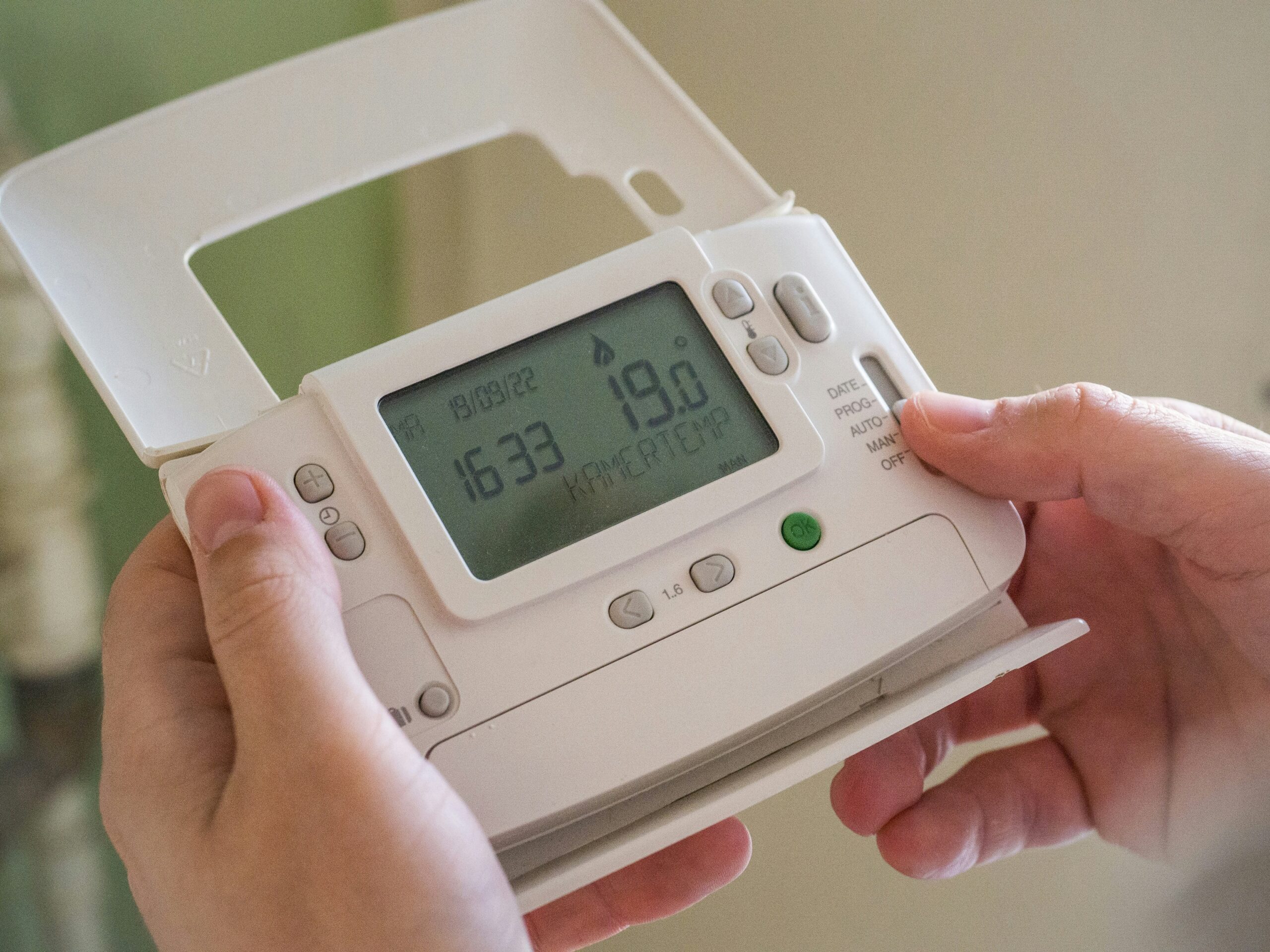
This blog post, published in March 2024, takes a hard look at the UK’s energy pricing model, highlighting the strong ties between the model and natural gas prices. Sean suggests a new model might not only pass on savings to consumers but also, by lowering the price of electricity, incentivise private electrification to aid in the UK’s net zero goals.
Number 9: THE ENERGY ETHICS OF UNDERSTANDING
OUR PLACE IN THE UNIVERSE
Professor Vivienne Wild’s reflection piece from June 2022 drops just one place from where it was in the 2023 list. This blog post examines the impact which studying the far-reaches of space has on our own world. Vivienne asks what the climate-cost of our interest in our Universe really is but also what is the true value of our quest for knowledge?
This post inspired a poem from our Artist-inResidence Rebecca Sharp.

Number 8: WHAT HAVE WHALES GOT TO DO WITH FOSSIL FUELS AND RENEWABLE ENERGY?
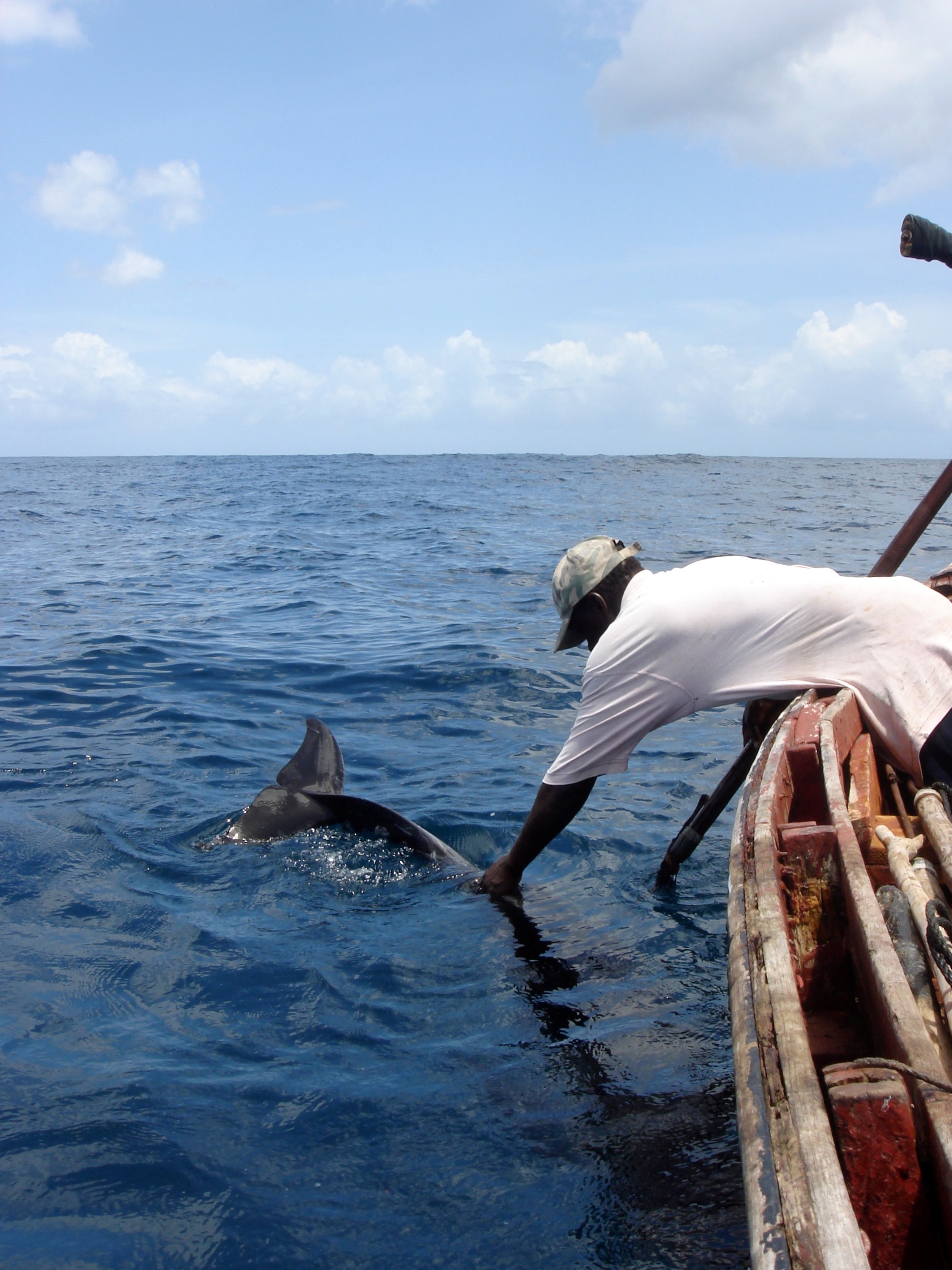
One of the earliest contributions to The Energy Blog up next as Russell Fielding’s post from September 2020 comes in at number 8.
This post considers the unlikely link between whaling and the renewable energy transition. Fielding demonstrates how findings from environmental research conducted in collaboration with a small whaling community in the Caribbean provide key evidence for the healthy and sustainable benefits of renewable energy systems, especially in the context of small island developing states.
Number 7: THE FLAME TOWERS OF BAKU: NEW BUILDING, OLD SYMBOL?
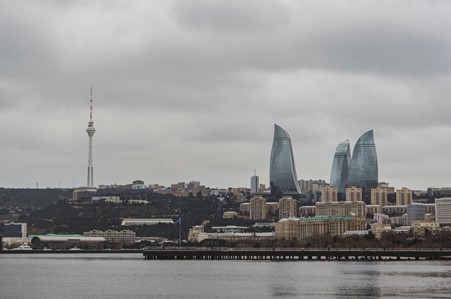
At number 7, also down one place from 2023, come Leyla Sayfutdinova‘s 2021 blog post. Since their construction in 2013, debates on whether the Flame Towers are ‘beautiful’ or ‘ugly’, whether they deserve to be a symbol of Baku or not, whether they are intended for ‘tourists’ or the ‘locals’ have been ongoing. This post places the towers within the context of Baku and Azerbaijan’s local and national identities, exploring the importance of fire imagery and the modern connection of these ideas to the oil industry.
Number 6: Oil, Oil, Who wants some Oil? Part 4
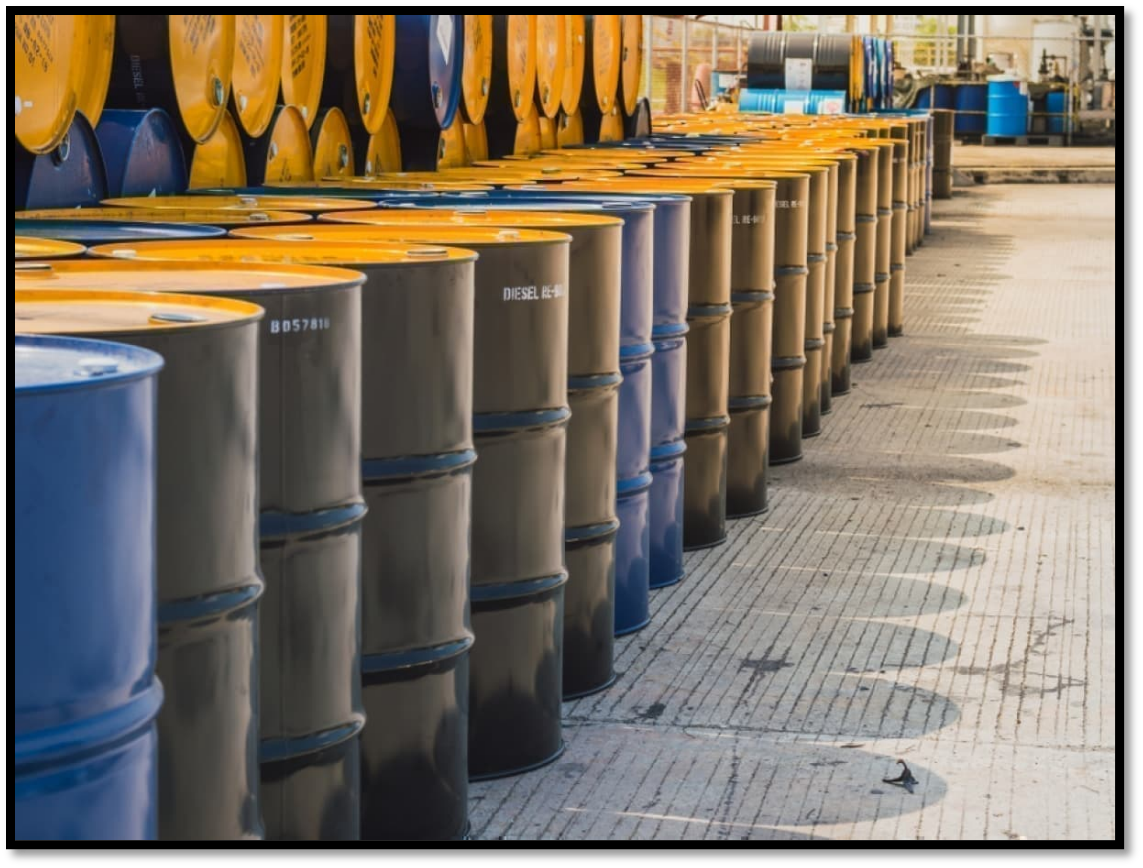
Part 4 of this 5-part blog series published by Mette High and Sean Field comes in at number 6. In this series, Mette and Sean reflect on the causes and consequences of the historic fall of the West Texas Intermediate crude oil price in April 2020.
In this part of the series, published in December 2020, High and Field take a look at The Brent Crude Complex, the dynamics of the supply & demand of oil, and also the social construction of oil futures markets.
Number 5: The Least I can do is Nothing
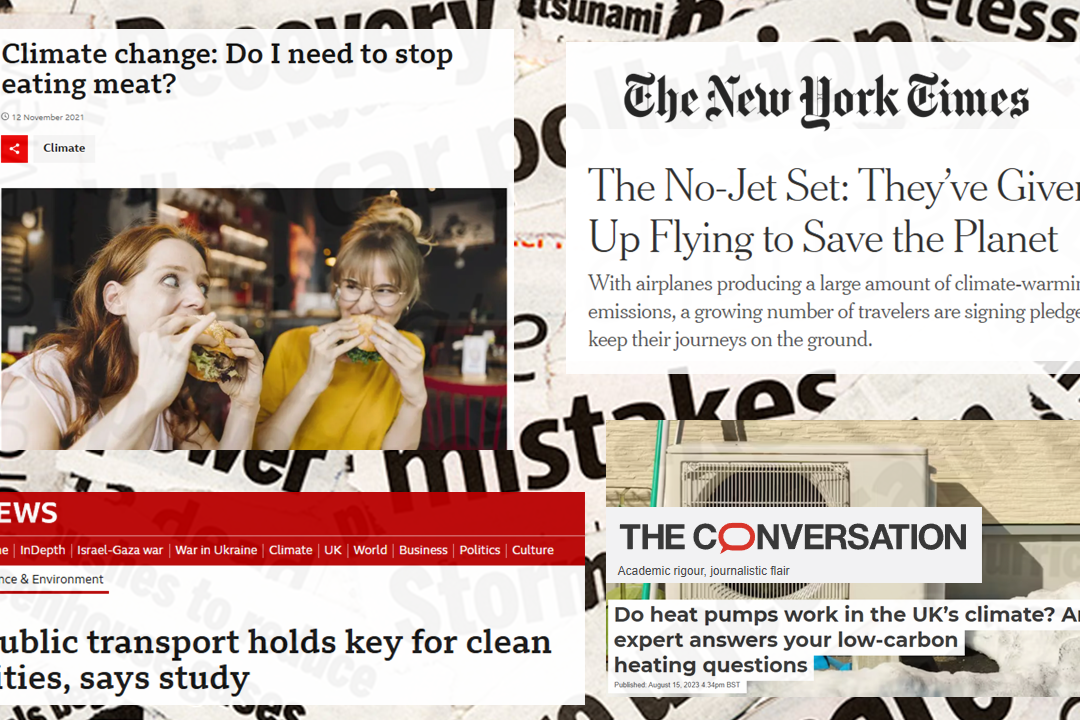
The first of our 2025 posts comes in at number 5. In his first blog post for the CEE, our long-time Event Coordinator Dr Paul Conlan reflects on moral obligation and individual action in the face of climate change. Breaking down the question and a number of common arguments for inaction, Paul offers his own solutions for not only whether we should act on an individual level, but also provides his own personal guidelines for this action.
Number 4: Understanding Energy
Why are we talking about Nuclear Energy Again?
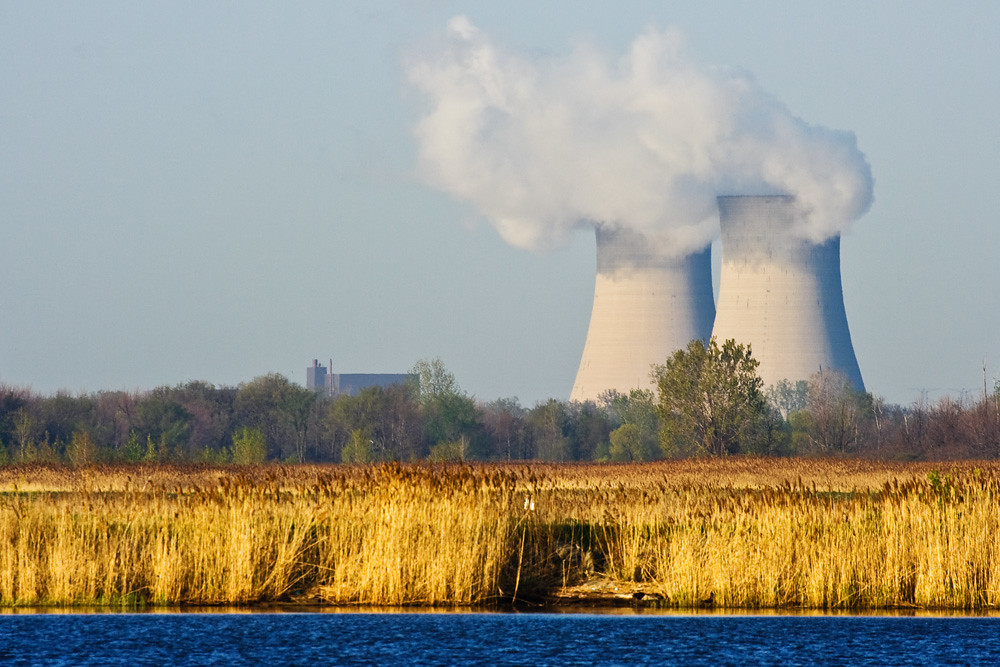
Back in 2021 then University of St Andrews PhD student Dr Andreas Bock Michelsen published this piece as part of his ‘Understanding Energy’ series. In 2025, it has not only proven to be a seminal piece for the Centre, but it has proven itself to be more relevant than ever as it climbs from 7th in 2023 to 4th spot this year.
In this blog post, Andreas asks why nulear energy despite its dangerous and polluting nature should be considered an important element of the green energy transition.
Number 3: 2024
The Year Tech Learned to Love the Atom
Nuclear has made something of a comeback across the CEE in 2025; we have another nuclear-related blog post from the beginning of the year.
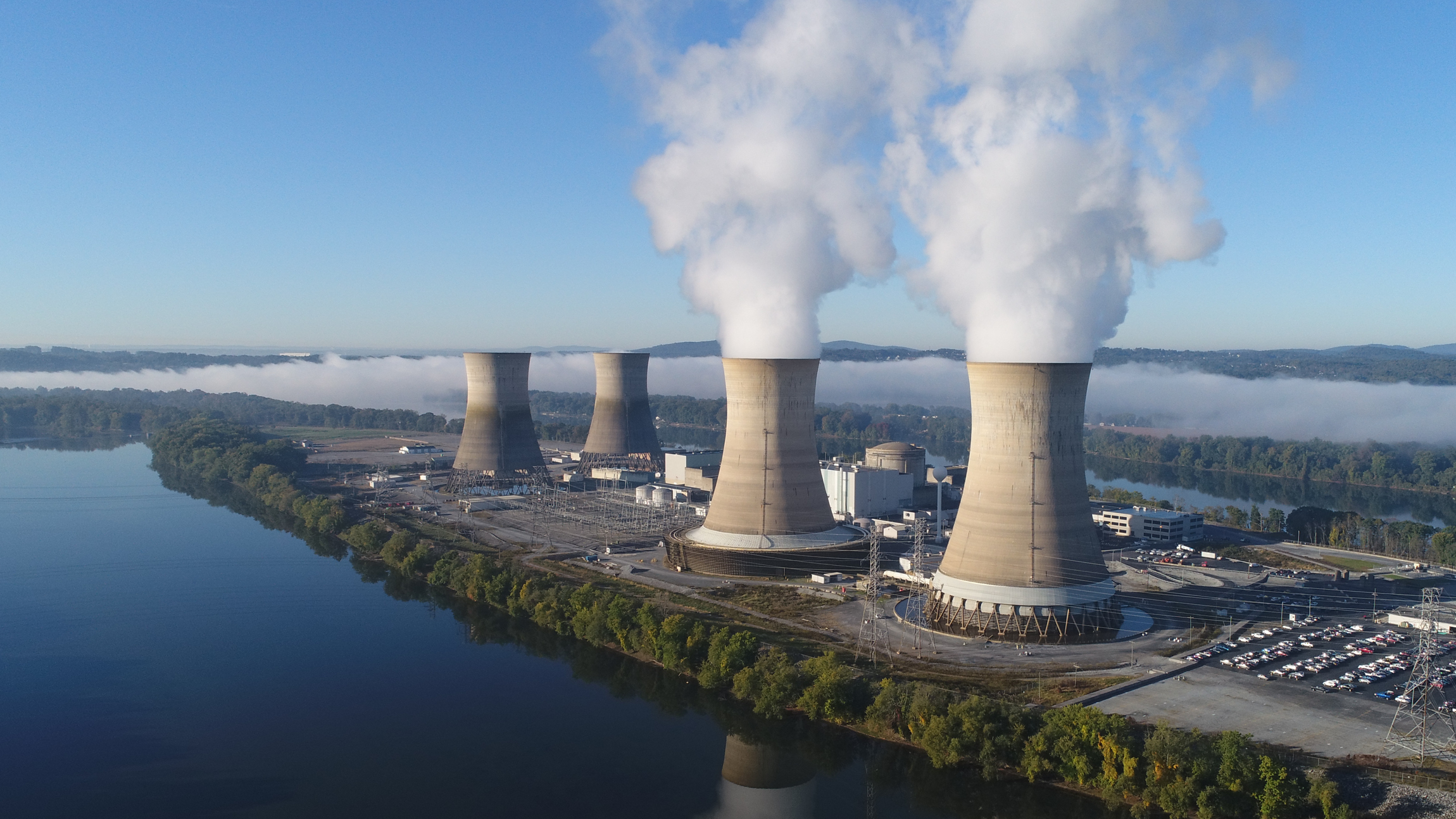
Part of our inaugural MSc class, Zak Gainey takes a look at nuclear energy’s recent resurgence. In particular, Zak focuses in on 2024 which saw big tech companies advance their own private nuclear initiatives.
Number 2: Grangemouth
A Story of Unjust Transition?
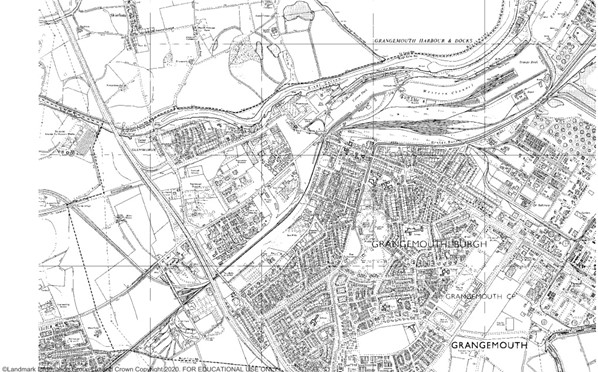
A timely piece from Riyoko Shibe comes in at number 2. This blog post from 2024 looks at the history of Grangemouth – a refinery to the west of Edinburgh which was set to close in 2025 – and now has closed – after decades of stagnation.
Riyoko asks in this post: what lessons can we learn from Grangemouth’s history? Can this Scottish town help inform the nation’s transition away from fossil fuels?
Number 1: NATURAL GAS IN THE UK, PART 1
INFRASTRUCTURES & GEOPOLITICS
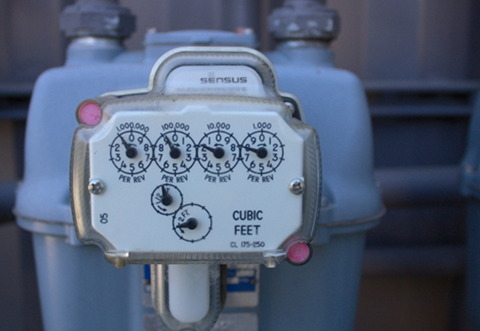
The most visited content page of 2025 – maintaining its position from 2023 – is the blog post from Sean Field on natural gas in the UK!
In part one of this series, released in September 2021, Sean demonstrates how the deregulation and financialization of UK natural gas over the last couple of decades exposed consumers to the geopolitics of natural gas pipelines and fluctuations in financial market prices for natural gas.