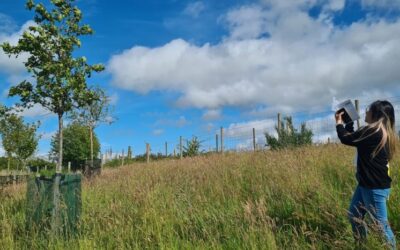
With concrete goals and a focus on community planning, the St Andrews Forest is shaping up to be a great climate action initiative. But one vital next step in its development is identifying specific data that need to be collected from forest locations in order to quantify progress towards its goals of carbon sequestration, supporting biodiversity, and ecosystem services. Through the University’s 2022 Summer Teams Enterprise Programme (STEP), a team of seven St Andrews undergraduate students from across degree programmes and with diverse backgrounds were brought together to create a draft protocol for assessing the benefits of the Forest programme.
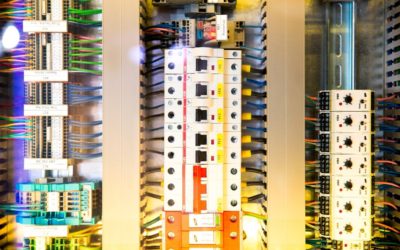
In Part 2 of this series, Dr Field explains how the UK’s energy crisis is a dual predicament: an energy price crisis, and an energy supply crisis. The UK’s electrical grid is balanced on the wholesale market for natural gas; as wholesale prices rise, people are pushed into energy poverty. Building on Part 1, he demonstrates how natural gas dependency and insufficient UK natural gas storage capacities are threatening electricity blackouts this winter (as well as a crisis of heating), concluding that this crisis was foreseeable and avoidable.
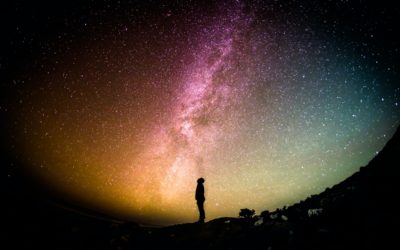
Professor Vivienne Wild reflects on the impact which studying the far-reaches of space has on our own world. What is the climate-cost of our interest in our Universe?
The energy trilemma describes the difficulty in achieving a coherent balance of clean, affordable, and secure energy. Improvements in one factor in the triangle distorts the other components. In this blog post, I explore how ‘smart technologies’, connected by the internet and powered by new ambient energy harvesting devices, can be vital to overcoming the energy trilemma and to achieving energy sustainability.