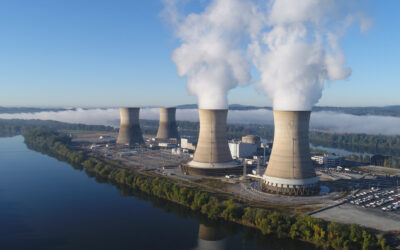
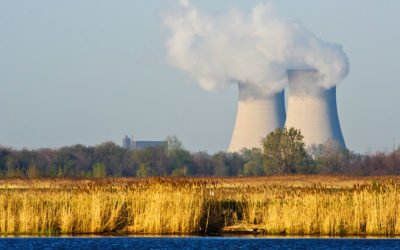
We have seen renewed pledges of investment in renewable energy, including hydropower, as well as nuclear energy at COP28 and COP29, although progress varies considerably, as per International Energy Agency reports. In the lead-up to COP30, calls to accelerate the energy transition and honour these commitments are intensifying. In this context, Lucy Goodman and Christopher Schulz highlight surprising parallels between large-scale hydropower and nuclear energy infrastructure, sounding a note of caution about their planned expansion in many countries around the world.
With the global focus on reducing carbon emissions, nuclear energy has seen a resurgence in recent years. However, 2024 might be remembered as a landmark year for this controversial energy source; the year which saw big tech companies advance their own private nuclear initiatives.
Nuclear energy is almost universally feared and reviled, and not without reason. And yet, China has doubled its nuclear capacity since 2014, climate scientists have called for an increase in nuclear power, while the Intergovernmental Panel on Climate Change identifies increased production of nuclear energy as a key element in avoiding global warning. Why is such an obviously dangerous and polluting energy source considered an important element of the green energy transition?